Tuesday, September 20, 2022
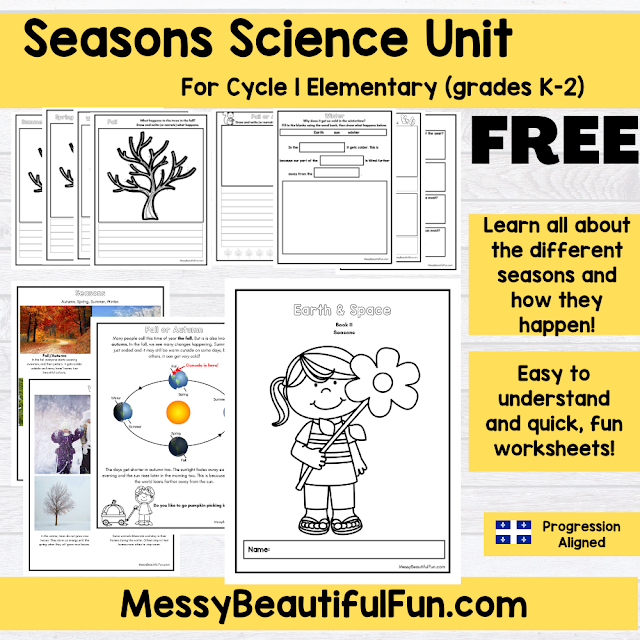
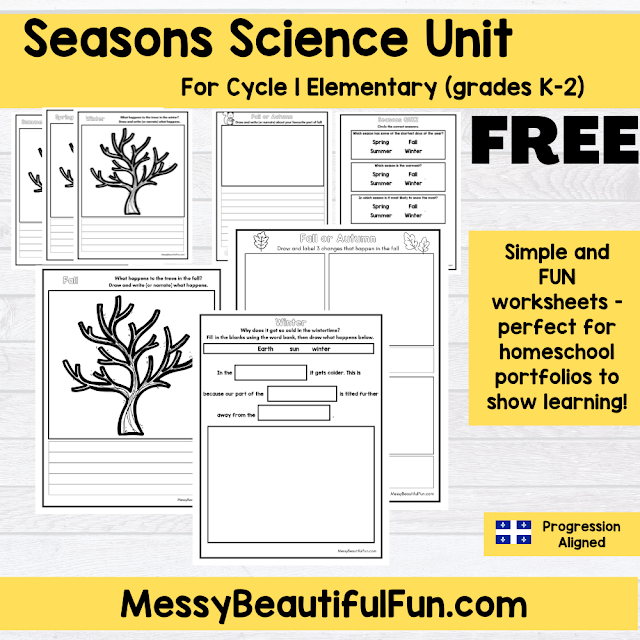
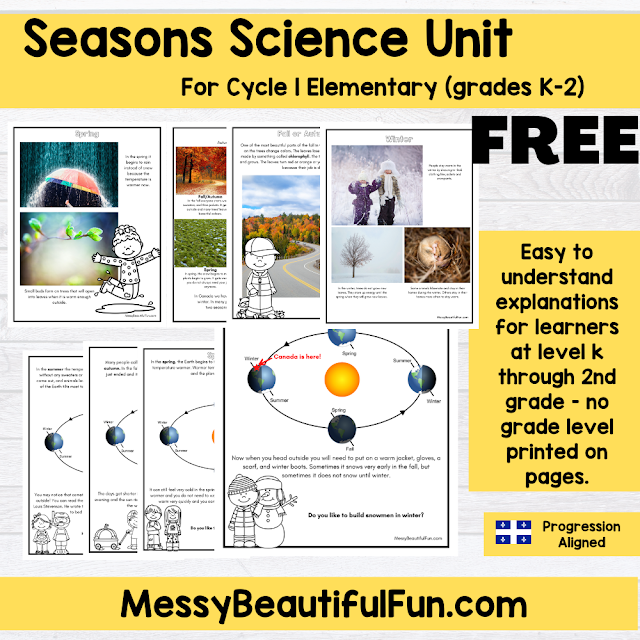
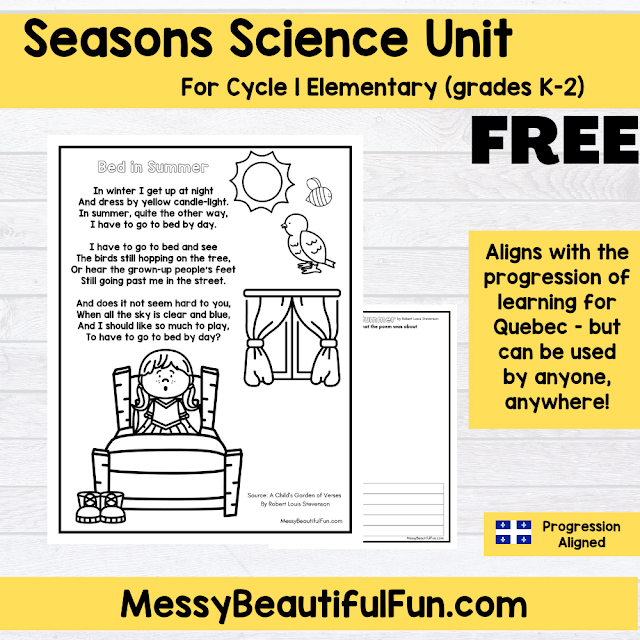
Free Science Journal 11: Seasons Science for Grades k-2
Sunday, August 28, 2022
Dragon Math Facts! A Free Unit to Learn Addition and Subtraction to 20
Free Dragon Unit Math Facts
Learning math facts is a super important part of math success for our learners. Memorizing basic addition and subtraction facts can helps kids now and in the long run when they are solving more complex math equations.
BUT
Learning math facts can be BORING. Most kids don't care that these facts will help them later on - they wonder why memorizing 5 + 5 = 10 or 12 + 8 = 20 is so very important. So while we can tell them it will help them solve math equations faster, we can also give them FUN units like this to help them get there!
I made this unit to teach my own daughter her math facts. The idea is for kids to fill in the equations or say the answers out loud. Once they have either said or written them (or mastered them), they can colour in a dragon of their choice to 'hatch' from the egg. They then glue it onto the square the egg is in.
Fun, right? Especially if your kid loves dragons - and most that I know absolutely do!
The best part? This unit is absolutely FREE! You can download ALL the facts below!
Download The Free Dragon Facts Unit HERE!
If you loved this unit, you might also love my other math freebies!
Saturday, August 27, 2022
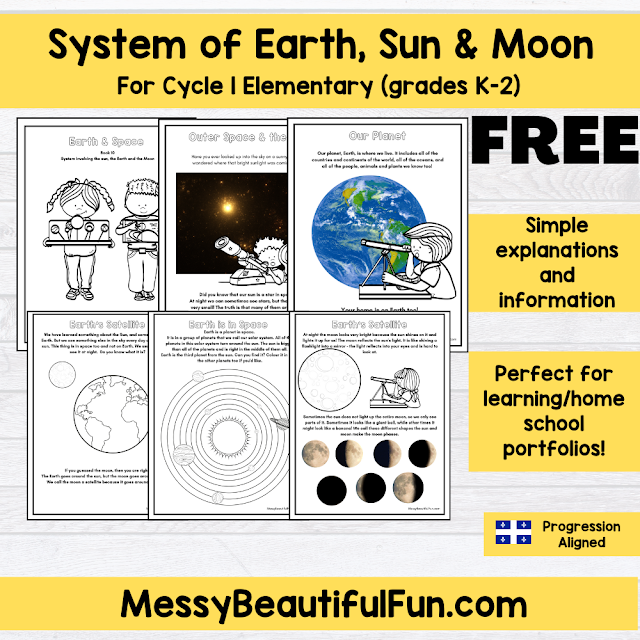
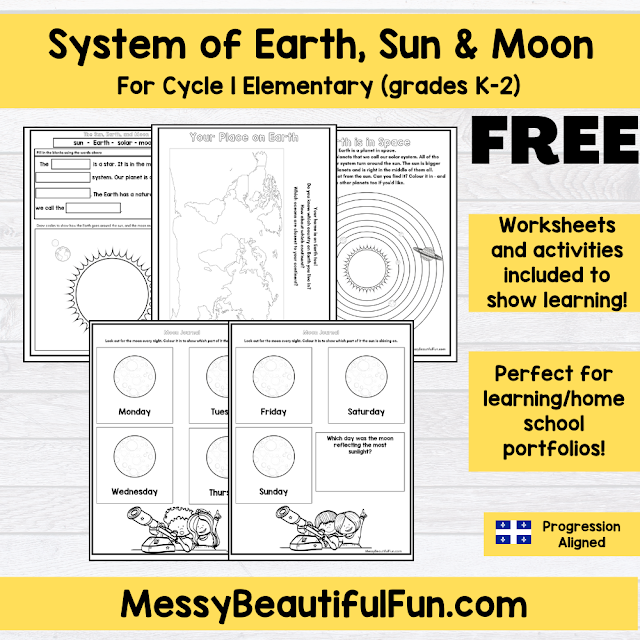
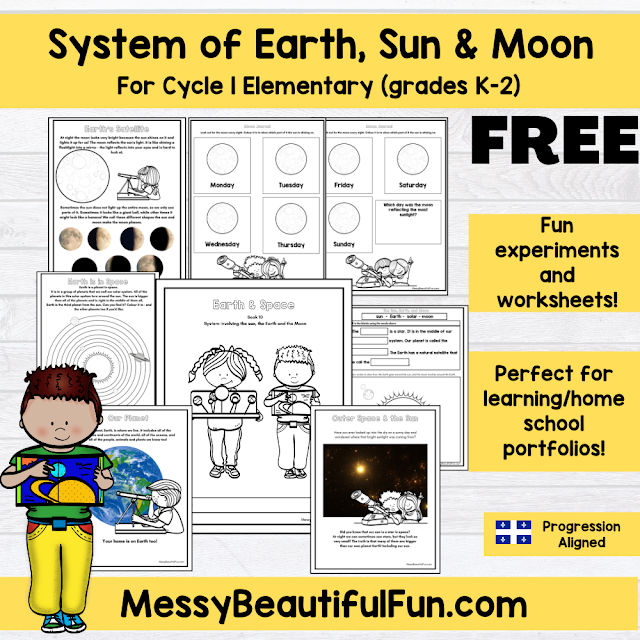
Free Science Journal: Sun, Earth and Moon
Free Science Journal #10
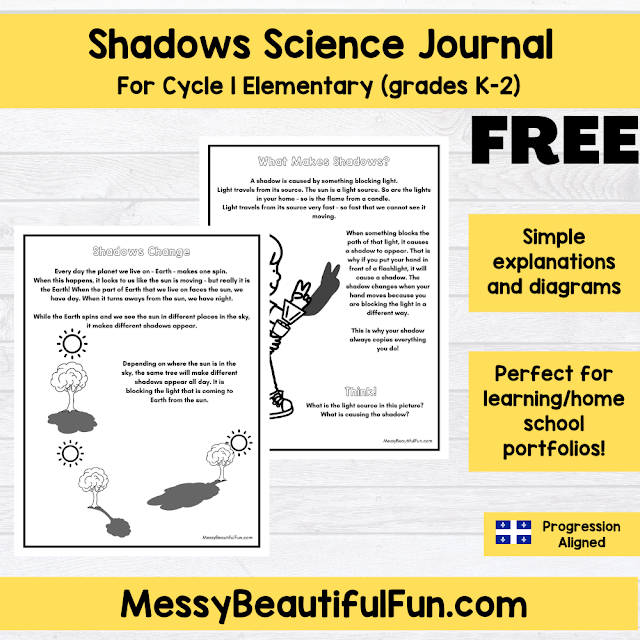
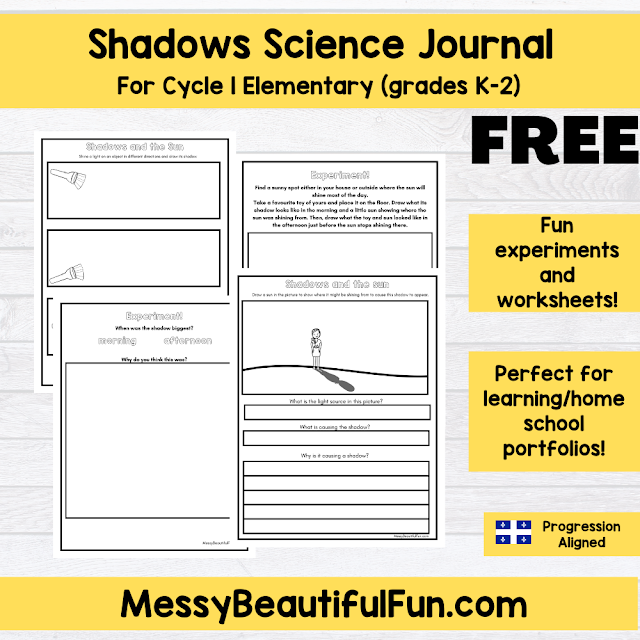
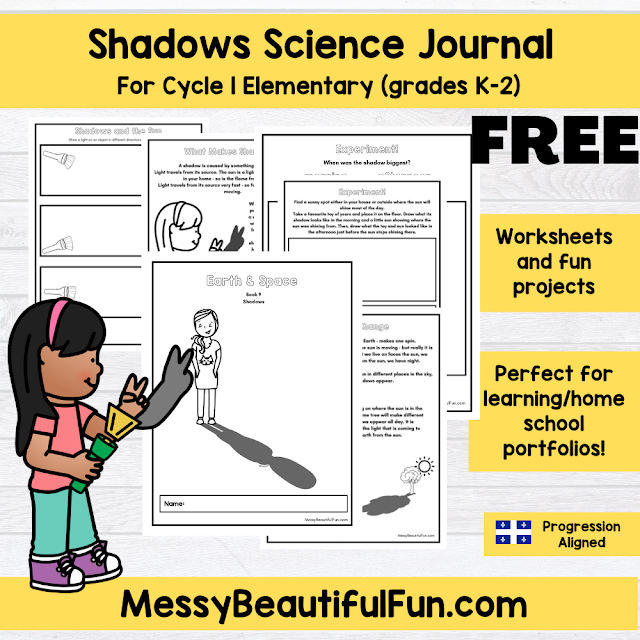
Free Science Journal: Shadows
Saturday, August 20, 2022
Free French Verb Unit 1: Voir
Free French Verb Book Unit Voir
For beginner learners
If you're teaching French to either your own kids or a classroom full of learners, then you know how difficult it can be to find just the right resource to teach different verbs. Some are SO full of information they can be too much for new learners. Others include only the verb conjugated on a sheet and no real-world connection. That is what I am hoping to avoid with my own kids by creating these units.
I started with the verb 'voir'/to see because it is a verb that most kids use every day. It can also be used any time, anywhere - what do you see? You can ask it on a nature walk, in a classroom, looking out the window, or on a long bus ride.
This unit teaches learners to conjugate the verb voir in the present tense, as in something that is happening right at the moment it is said.
For example, the first page of the book starts with 'Je vois un chat' (I see a cat)
The next page continues with 'Tu voit une abeille' (You see a bee)
It goes through every person (je, tu, il, elle, nous, vous, ils, elles) and includes a nice, big colour photo to illustrate the phrase.
It also comes with these little cards to print out and use to practice saying the verb, memorizing it, or to use it in a sentence. As you and your learners learn more verbs, you can mix these up and practice making plenty of sentences in French.
The last part of this unit includes some worksheets for different levels of learners. there is a very simple page where kids can draw a picture of what they see and maybe write a label on it. There is a more detailed one where they have space to draw and write.
Finally, there are 2 conjugation pages - one asking them to conjugate 'voir' in the present tense, use it in a sentence, and illustrate a picture. the second conjugation page has a blank space so that you can have them practice other tenses if you'd like.
You can download this freebie below. All I ask is that when sharing this resource, please share the link to this page and not the google drive. Thank you and enjoy!
Wednesday, August 17, 2022
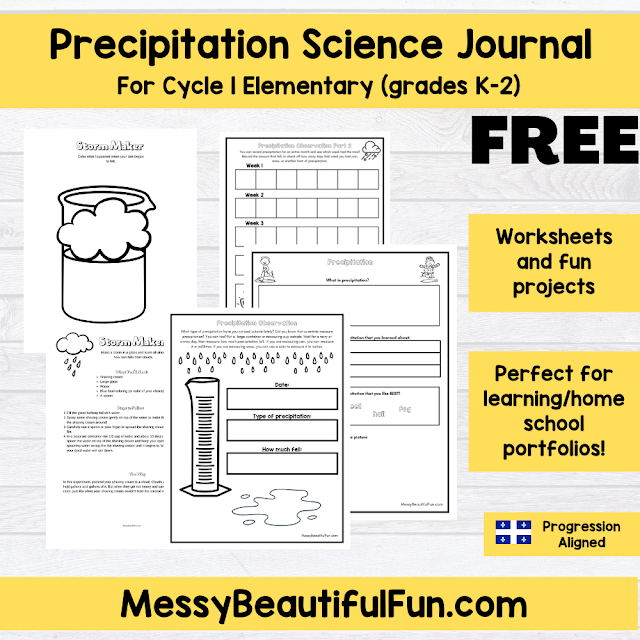
Free Science Journal 8: Precipitation
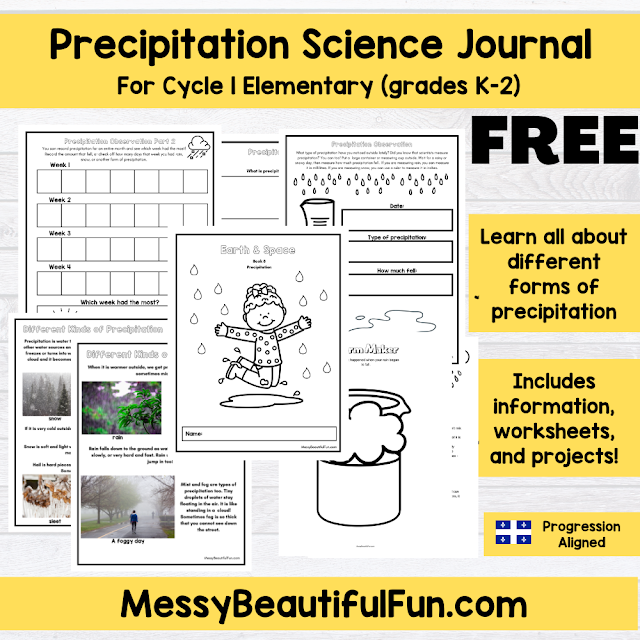
If there is one subject that I know my kids always love to cover in science it is weather. It is something we deal with on a daily basis, so learning about and experimenting with weather always feels familiar and fun.
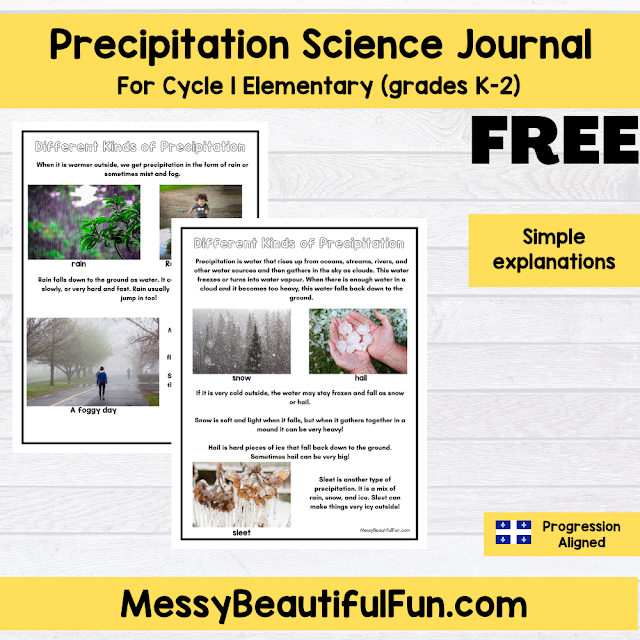
This precipitation unit talks about different types of precipitation and explains what the word means. It also includes a simple worksheet and 2 fun projects that kids can do to show what they have learned.Sunday, August 14, 2022
Free Science Journal: Water in my World
Free Science Journal Water Sources
Water is something that is so important for us and all of the other living things on our planet. That's why it's so important for us to teach our kids about what a precious resource it is and exactly where it comes from. Getting water from the tap or a bottle is something many of us take for granted, and our children might too. I know I do! Showing kids that the water we have in our homes comes from a freshwater source can help them understand more about our world and make them great stewards of the lovely water we have.
This science journal was made with cycle 1 kiddos in mind (grades 1-2), but of course, it can be used by any age group! It covers the progression of learning "Identifies natural sources of water (brooks, lakes, rivers) and natural sources of salt water (seas, oceans). Depending on where you live in the world, that might be worded differently in your curriculum requirements, but most elementary science curriculums do require kids to know about water sources.
There are some simple worksheets in this science journal to help cover the basics - and there is also a really fun project! Kids will learn about saltwater sources, freshwater sources, and man-made water sources.
As in all of my other free science journals, I have included simple explanations. If you find your kiddos really interested in a topic, feel free to slow down and explore it further with youtube videos, library books, and other units too!
To download this free science journal, click the link below the image:
*Please feel free to share this freebie, but please share the link to this page or my blog, NOT the Google Drive link. Thank you!*
Download Water Sources Science Journal Here